
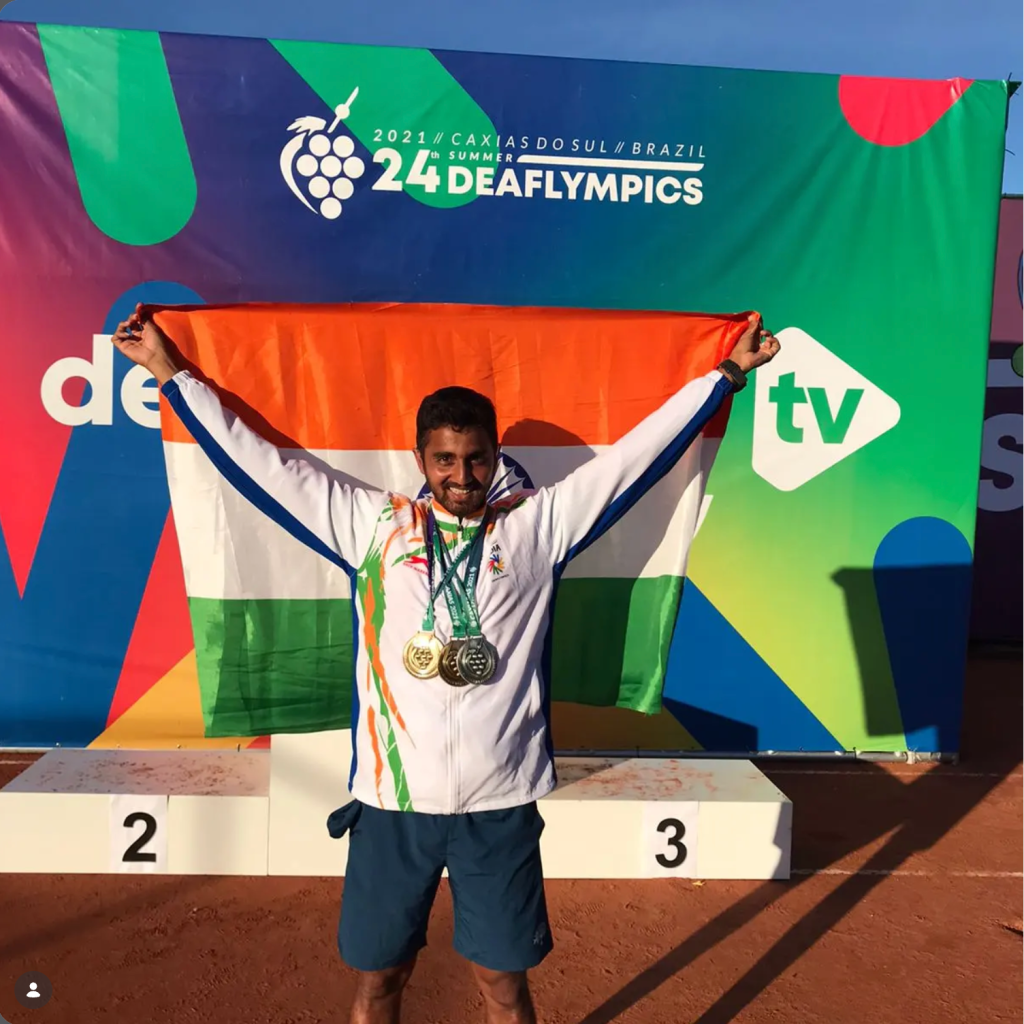
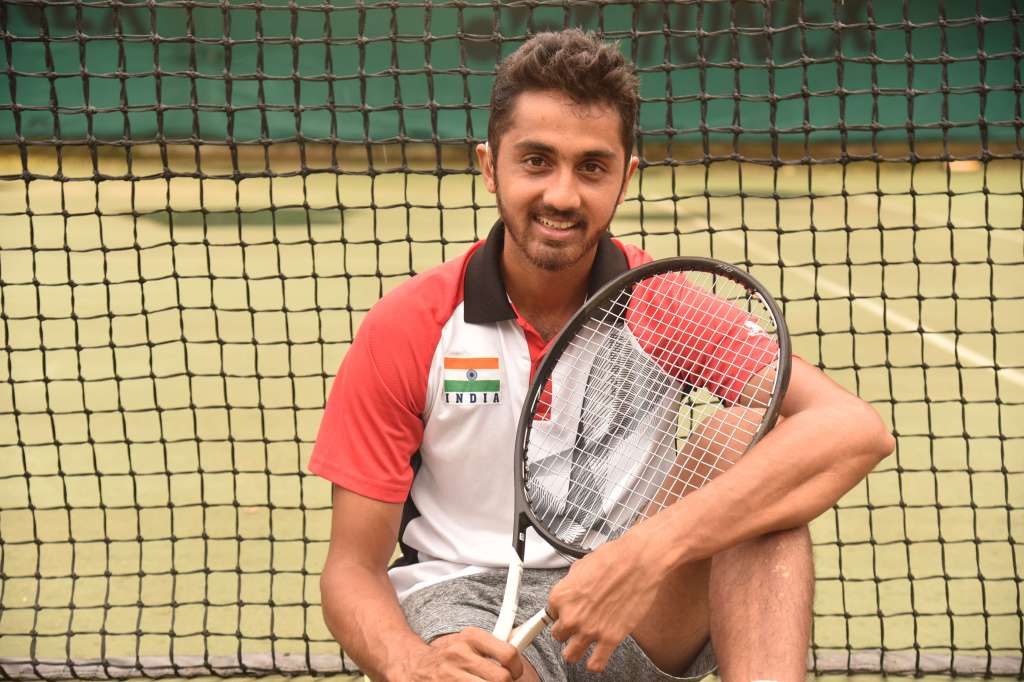
In tennis, one often hears about the G.O.A.Ts. Names such as Djokovic, Federer, Graf, and Williams have achieved global renown. Yet, there are many characters even more interesting and skilled in their own way, lurking just beyond the spotlight. Hailing from Chennai, Tamil Nadu, Prithvi Sekhar is among the most accomplished Indian tennis players, having won four medals (three bronze, one silver) in the Deaflympics, two World Deaf Tennis Championships, two grand slams (both Australian Open), and attaining the runner-up position of another (US Open), in addition to his frequent wins in Indian national-level tournaments, both deaf and non-deaf. His congenital hearing disorder makes his experience unique: although up to three in every one thousand children are born with congenital hearing loss, they are an even tinier minority in sports, even ones friendlier to the condition such as tennis. As an avid tennis fan interested in his story, I interviewed Prithvi via correspondence. Note that some sections are paraphrased.
How did you start playing tennis?
I started playing at the age of eight. Before that, I was playing cricket, which was a team sport. But the problem when I played cricket was that wearing a helmet obstructed my use of hearing aids, which was necessary for a team sport. I couldn’t face that problem, so I wanted to find an individual sport that I could enjoy lifelong without a hearing aid. Tennis was that sport. Shoutout to my parents: they were very supportive and encouraging towards my pursuit.
What is it like to play in international competitions?
For me, international tournaments (like ITF/World Tennis tournaments, ATP Challengers, or Grand Slams) are milestones. I can see some very good players play some superb tennis as well as their preparation and fitness routines. When I play them, I get a better understanding of what I have to focus on in order to improve, as well as getting a better sense of the errors I am making.
What are some of the unique experiences or challenges to being a deaf pro tennis player? How can deaf tennis be more accessible?
When I play at the deaf tournaments anywhere, whether national or international, I have to remove the hearing aid before starting the match. Otherwise, I will be disqualified. Without the hearing aid, I can’t hear a single sound. Because of that, I won’t hear the sound of the ball, the calls of the umpire, or anything the umpire says at all. It also greatly impacts my communication with my coach. I would have to rely on visual cues like flags or balls being thrown. When I play in the normal category, I don’t remove the hearing aids, so that I can actually hear what other people are saying. I can find a huge difference between the way I play without and with a hearing aid, because I can actually hear the sound of the ball I hit and communicate with my coach properly. Even with a hearing aid, my daily life is impacted: I have trouble hearing during classes or lectures, which means I always have to sit at the front of every class, but even then, studying for school or college is harder.
Another challenge is the funding, which is the most important thing athletes have to secure. For individual sports such as tennis, a sponsor is needed to cover costs. Often, parents provide the funds (like mine), but sometimes companies or the government do too, but only if you do well. This funding can be quite expensive, as it has to account for a lot of travel to different tournaments, as well as supplies like racquets, shoes, and nutritional supplements like protein powder. I hope that this funding can be provided to more athletes.
What is your message for people who don’t watch deaf sports?
I think everyone should be provided the opportunity to become successful, whether it is as a lawyer, doctor, or anything else they want. I think that parents should motivate their children to be proud of themselves and their country, and not compare them with each other.
What goals do you hope to achieve in the next couple of years?
Apart from playing some other normal tournaments, my goal is to prepare for the Australian Open in January 2027 and the World Deaf Tennis Championships, which will be hosted in Germany in the summer of 2027. I will aim to be physically fitter, and hopefully, I can achieve some medals and make myself proud.







Leave a Reply