
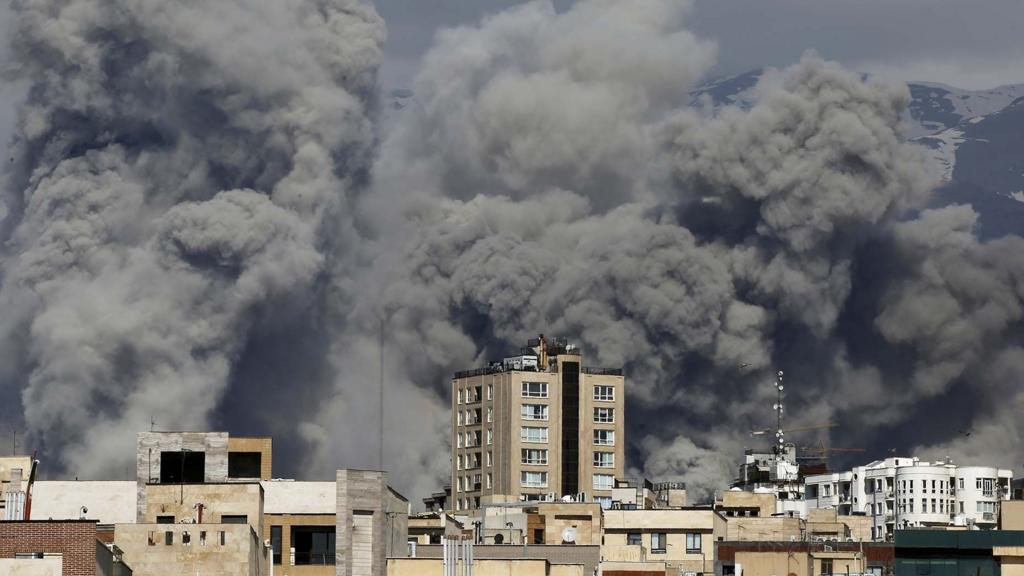
In the early hours of February 28th, the geopolitical landscape of the middle east underwent a drastic change. US-Israeli forces launched a massive aerial and naval assault on the Islamic Republic of Iran under the code name Operation Epic Fury. Reports have also since confirmed that the attacks have resulted in the death of Ayatollah Ali Khamenei, supreme leader of Iran. We may very well be witnessing the most prominent example of significant military intervention in the middle east since the 2003 invasion of Iraq.
Context
Through late 2025 and spilling into early 2026, protests erupted across Iran over economic collapse and inflation, sparked by the Iranian Rial reaching a new low. To put this in context, the last month has seen the currency fall to such an extent that 1,000,000 Rials are worth about the same as one Canadian dollar. Social restrictions imposed by the regime in accordance with their interpretation of Sharia Law were also causes for civil unrest across the nation. The government crackdown in response to these protests were reportedly responsible for estimates reaching over 30,000 deaths, prompting a worldwide movement from Iranians and other human rights activists alike condemning the actions of the regime.
The Conflict
The US and Israel’s concern with Iran is based on their nuclear arms program – of which Khamenei was the figurehead. The Trump administration stated that Iran posed an “imminent threat” to the American people, authorizing the use of over 200 fighter aircraft and BGM-109 Tomahawk missiles in the conflict. The strikes hit 24 of Iran’s 31 provinces and targeted not just the nuclear facilities but the centers of the regime in Tehran. Prime Minister of Israel Benjamin Netanyahu has also publicly voiced concern over Iran’s nuclear development, describing them as ‘dangerous’ and that if Iran had obtained nuclear capabilities, that they would “bring catastrophe. This rhetoric has been repeated and reinforced over the last 3 decades, with Netanyahu also being a major advocate for the invasion of Iraq to seize alleged weapons of mass destruction over 2 decades ago.
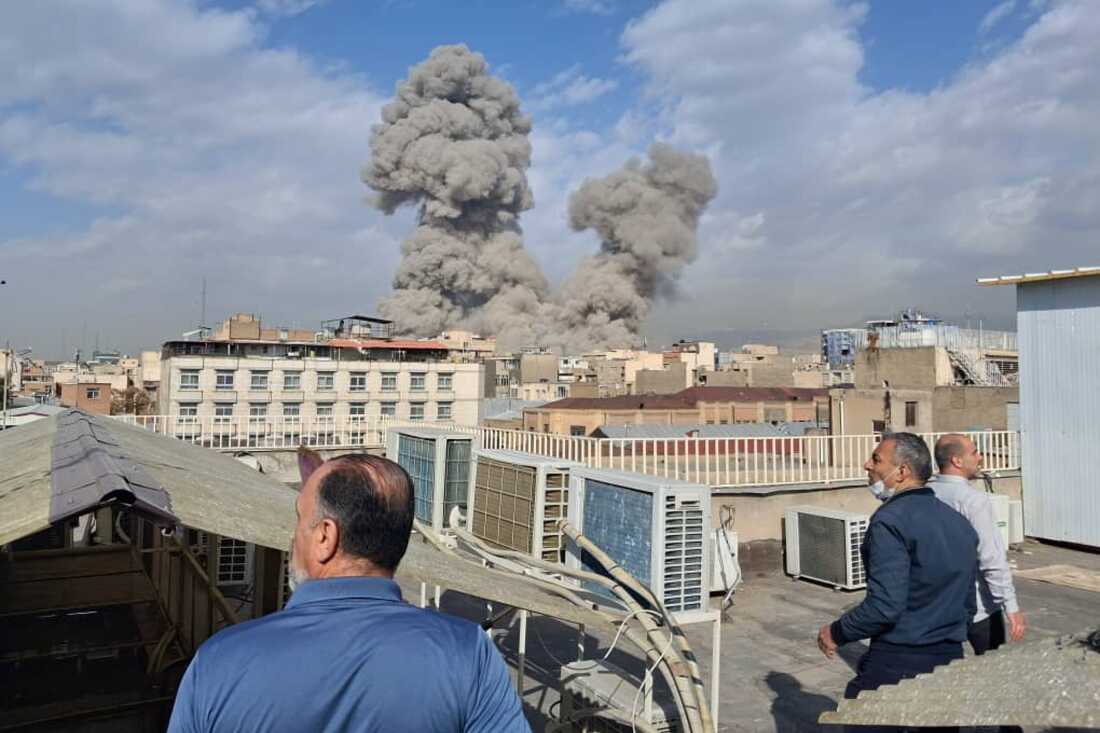
Iran’s response to US-Israeli strikes was not one of compliance but one of retaliation. Later on the 28th of February, Iranian missiles hit US Air-Force bases in Bahrain, Qatar, the UAE, Israel, and Jordan while also damaging civilian infrastructure. Unrest in the region doesn’t seem to be slowing, as President Trump has stated that US forces may continue bombing Iran into the week. 3 US Servicemen have been confirmed dead as part of the Operation, with 5 others suffering injuries. Over 1000 people have been killed across the middle east, a significant portion of which stem from an Israeli airstrike on a school in Southern Iran.
Trade and Diplomacy
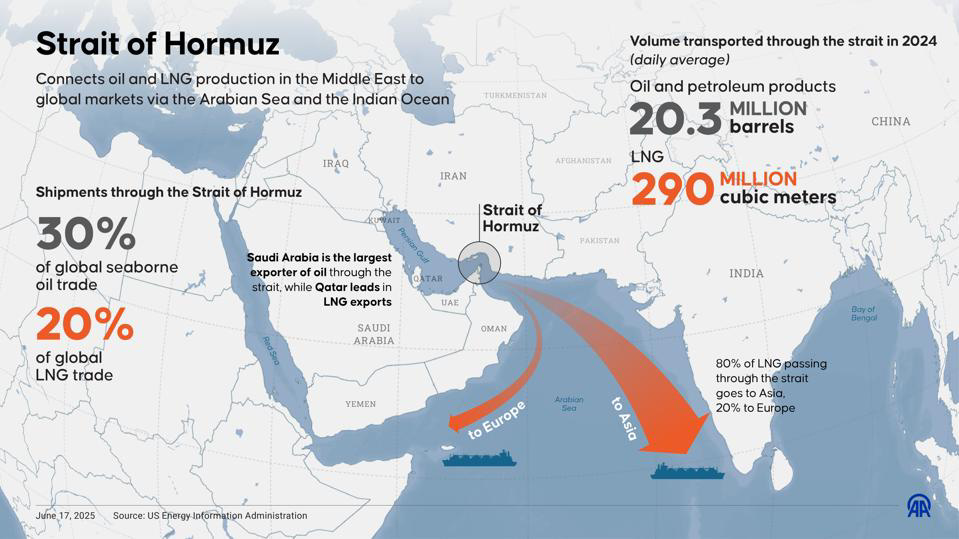
Regional relations between gulf monarchies such as Bahrain, Qatar and the UAE with Tehran have historically been functional, even if they were not the warmest due to the formation of partnerships with the USA and western-aligned bodies. However, these relationships are likely to be dysfunctional after this conflict plays out, as Iranian aggression with missile strikes have damaged their own chances of any trade or political partnerships with many nations on the Persian gulf. The conflict between the US, Israel and Iran has also transformed the strait of Hormuz into a combat zone. The narrow waterway is responsible for handling over 20% of the world’s oil, which could manifest in rising costs of transportation around the world, not just in the Middle East. Other facets of trade such as manufacturing and resources like natural gas are also impacted by the outbreak of war – Iran holds the second largest natural gas reserves in the world.
As the Middle East reshapes itself after the dramatic power shift in Iran, the global community is left with a world that is vastly different than it was a few days ago. Threats to global trade, resource use and stability in the middle east are all influenced by Operation Epic Fury, which has transformed diplomatic tension into a real human conflict. Whether the recent events bring peace or a cycle of retaliation is still unclear, but we can only watch as events begin to unfold far away from us here in Toronto.




 The Blue and White