
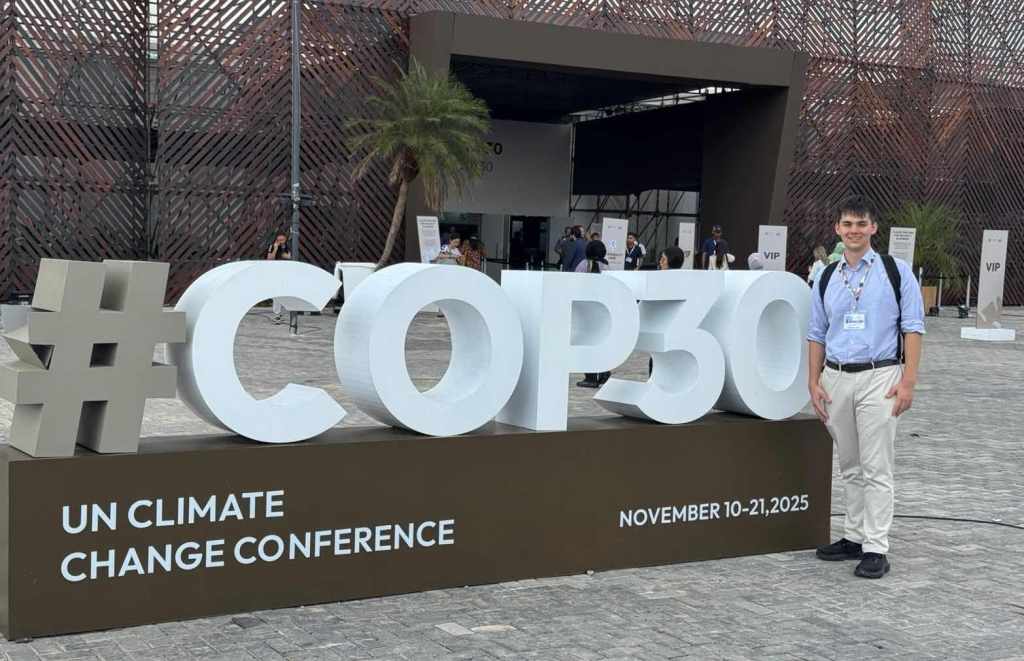
This year, I had the opportunity to join Canada’s official delegation to United Nation’s COP30 as a youth delegate, representing the perspectives of young Canadians. Being part of the delegation meant stepping into conversations that shape global climate action.
Over my time in Belém, Brazil, I met with ministers, negotiators, scientists, and Indigenous leaders, sat in on solution-focused discussions, and attended side events where researchers, community leaders, and young people all shared ideas that will inform the next stage of climate action.
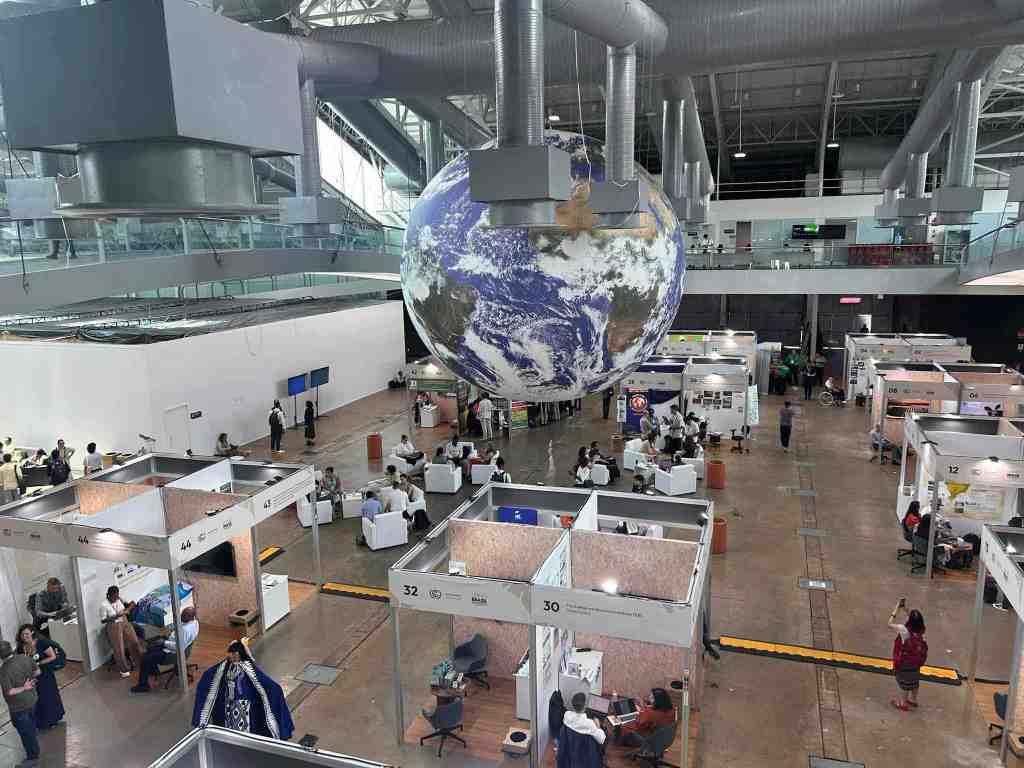
I joined discussions on topics ranging from climate education to technological innovation to the health impacts of rising temperatures. One moment that has stayed with me was speaking at the Youth Pavilion about how increasing heat affects young children, whether through wildfire smoke, heat stress, or the disruption of outdoor play and learning. Sharing this issue on an international stage made me realize how interconnected our experiences are.
Even though these challenges appear in different ways across countries, the impacts on children and families are strikingly similar. It was a reminder that climate change is ultimately about people and the everyday realities they face.


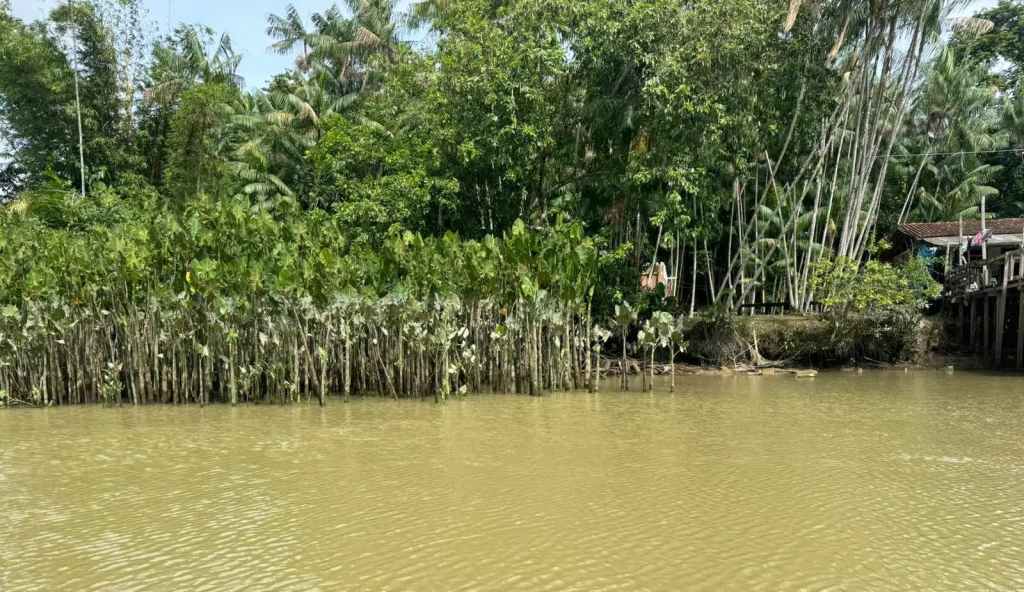
Because COP30 was held in the Amazon region, I also had the rare chance to see the landscape that so many conversations revolved around. I didn’t trek into the rainforest, but even from the city and during travel, the vast river, the humidity, and the endless greenery made everything we discussed inside the conference halls feel more tangible.
Seeing the environment that local communities are fighting to protect added a layer of urgency to the policy discussions.
Some of the meaningful parts of COP30 also happened outside the formal events. I spent time with youth leaders from around the world, talking about our projects, our hopes, and the obstacles we face in our own countries.
I spoke with local Indigenous people whose perspectives grounded the conference in lived experience, not just theory. I also connected with university students doing impressive climate work in their communities. These conversations reminded me that climate leadership isn’t limited to speeches or negotiations; it grows out of relationships, shared learning, and collaboration.
Coming back to UCC, I feel a stronger sense of direction for what youth leadership can look like. COP30 reinforced the importance of the work we’re doing through our school’s sustainability initiatives, from awareness-building to hands-on projects.
I hope that by sharing my experience, more students will feel encouraged to get involved; whether through clubs, events, or their own ideas. There is so much space for young people to contribute, and COP30 made it clear that our voices matter more than ever.





 The Blue and White
You must be logged in to post a comment.