

Imagine a vibrant green gecko, small enough to fit in the palm of your hand, clinging to a branch in the depths of a rainforest. Now, picture that same gecko stuffed into a small plastic container, packed with hundreds of others, all destined for an illegal market halfway across the world. This heartbreaking scenario is the reality for thousands of reptiles every year, victims of the booming illegal wildlife trade. Reptiles, particularly rare and exotic species, are some of the most trafficked animals globally, yet their plight often goes unnoticed.
While conservation efforts to protect iconic animals like elephants, rhinos, and tigers are well-known, the fight to save reptiles is much less publicized. However, the illegal trade of reptiles is just as severe, threatening the survival of numerous species and contributing to biodiversity loss worldwide. From snakes to tortoises to lizards, these creatures are being exploited for the exotic pet trade, traditional medicine, and even their skins. If we don’t act quickly, some of these reptiles may disappear from the wild forever.
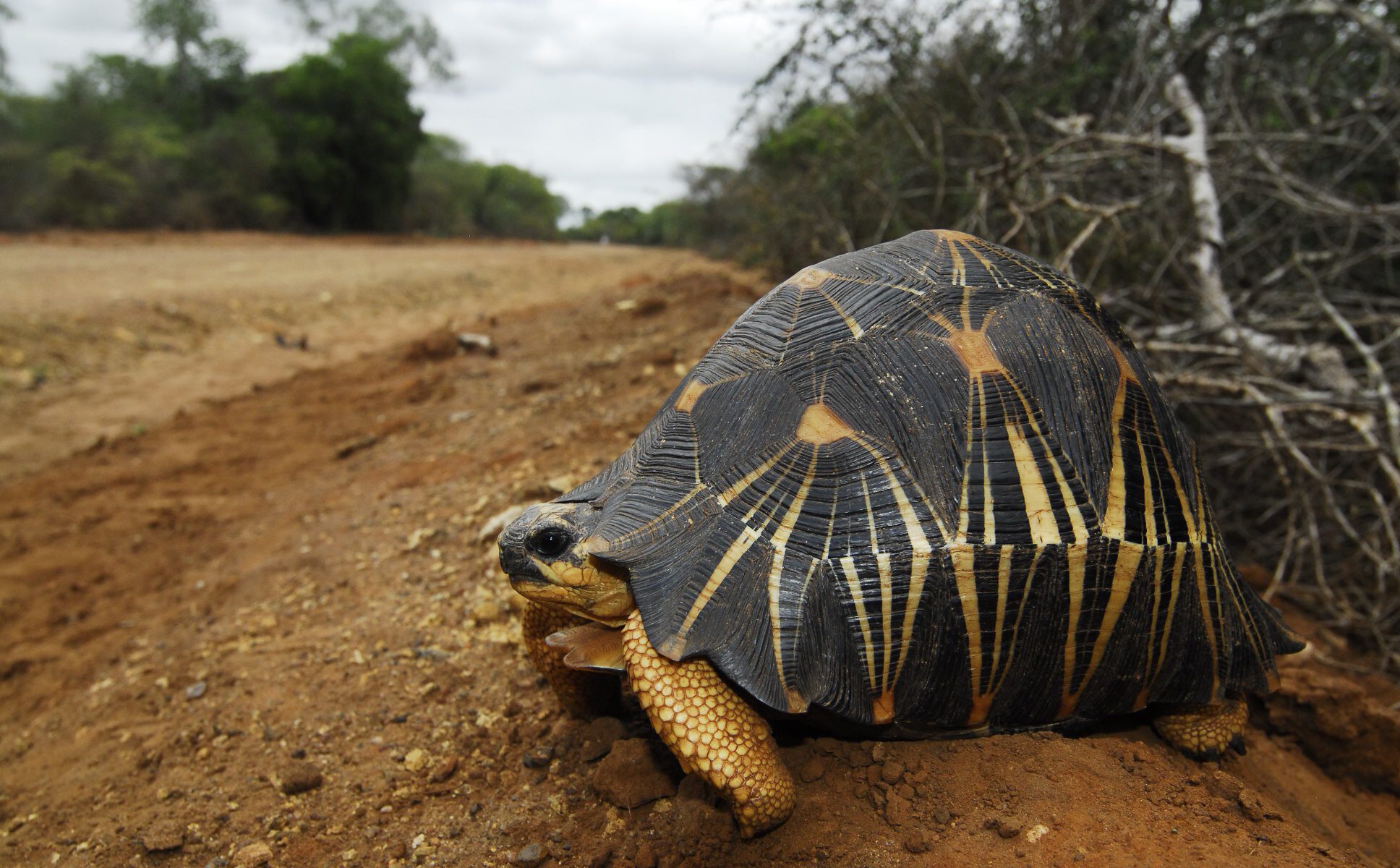
Image: A critically endangered Radiated Tortoise being rescued from the illegal pet trade.
The Scale of the Problem
The illegal wildlife trade is the fourth largest criminal enterprise in the world, after drugs, weapons, and human trafficking. Reptiles are particularly vulnerable because they are relatively easy to capture and transport compared to larger animals. Poachers and smugglers often target specific species of reptiles that are in high demand in the exotic pet trade. These species include colorful snakes, rare tortoises, geckos with unique patterns, and even endangered lizards. Many of these animals fetch high prices on the black market, making them attractive targets for traffickers.
For example, the Radiated Tortoise, a critically endangered species native to Madagascar, has been decimated by poachers. These tortoises, prized for their striking star-patterned shells, are sold in international markets for thousands of dollars. The demand for such animals in countries like China, Europe, and the United States fuels a destructive cycle where poaching outpaces conservation efforts.

Image: Exotic reptiles like this gecko are often targeted for the pet trade.
The Exotic Pet Trade: A Driving Force
One of the primary drivers of the illegal reptile trade is the exotic pet market. The allure of owning a rare or unusual reptile motivates collectors and hobbyists to seek out these animals, regardless of their origins. From pet shops to online marketplaces, buyers are often unaware (or choose to ignore) that the reptiles they purchase may have been illegally captured from the wild.
A 2019 report from the World Wildlife Fund (WWF) revealed that thousands of reptiles are illegally smuggled each year. Popular species include ball pythons, green iguanas, bearded dragons, and various species of turtles and tortoises. Many of these animals are taken from their natural habitats, shipped in inhumane conditions, and sold in foreign markets, often under false pretenses of being bred in captivity.
Transporting reptiles for the illegal trade is often a cruel process. Smugglers may stuff snakes into stockings or hide turtles inside suitcases. It’s not uncommon for these animals to endure days or weeks without food or water, causing many to die before they reach their destination. Those that survive face further stress in unsuitable environments, often leading to early death. The exotic pet trade not only depletes wild populations but also raises ethical concerns about animal welfare.

Image: Confiscated reptiles awaiting rehabilitation after being rescued from smugglers.
Conservation Impact and Extinction Risk
The illegal trade of reptiles is not just an animal welfare issue—it’s a major conservation threat. Many species that are targeted for the illegal trade are already vulnerable or endangered. Removing even a small number of individuals from the wild can have devastating consequences for the overall population. For slow-breeding reptiles like tortoises and certain snakes, the loss of breeding adults can push the species closer to extinction.
Take the case of the Ploughshare Tortoise, another critically endangered species from Madagascar. With fewer than 500 individuals left in the wild, this tortoise is one of the most heavily trafficked reptiles in the world. Despite international protections under the Convention on International Trade in Endangered Species (CITES), the Ploughshare Tortoise remains a high-value target for smugglers. Poaching for the pet trade is a primary reason why this species teeters on the brink of extinction.
In Southeast Asia, the illegal collection of turtles has decimated populations of some species. The Asian box turtle, for example, is frequently poached for use in traditional medicine and as a delicacy. This unsustainable harvesting is causing rapid declines in wild populations, with little time for recovery.

Image: The critically endangered Ploughshare Tortoise is highly sought after in the illegal pet trade.
Efforts to Combat the Illegal Trade
Thankfully, there are organizations and individuals fighting to protect reptiles from the illegal wildlife trade. International agreements like CITES regulate the trade of endangered species, making it illegal to capture and sell certain reptiles without proper documentation. However, enforcement is often difficult, especially in regions where wildlife trafficking is rampant and enforcement agencies lack resources.
Conservation organizations such as the Turtle Survival Alliance, Wildlife Conservation Society, and TRAFFIC work tirelessly to rescue trafficked reptiles, rehabilitate them, and reintroduce them into the wild when possible. These organizations also work with local communities to raise awareness about the importance of reptile conservation and the dangers of the illegal trade.

Image: Law enforcement agencies and conservationists work to crack down on illegal wildlife trafficking.
How You Can Help
While the illegal reptile trade is a daunting issue, there are ways you can make a difference:
- Avoid purchasing exotic pets from dubious sources: Always ensure that any reptile you buy comes from a reputable, ethical breeder who follows legal guidelines. Avoid supporting sellers who cannot prove their animals are captive-bred.
- Support conservation organizations: Donate to or volunteer with organizations that work to combat the illegal wildlife trade and protect reptiles in their natural habitats.
- Report illegal activity: If you come across suspicious activity related to reptile sales or trafficking, report it to wildlife authorities or organizations like TRAFFIC.
- Educate others: Raise awareness among your friends and family about the impact of the illegal reptile trade. By spreading the word, you can help reduce demand for trafficked reptiles.
The illegal wildlife trade poses a serious threat to the survival of many reptile species. From rare tortoises to colorful geckos, reptiles are being trafficked across borders for profit, often with devastating consequences for their populations and well-being. As consumers and conservation advocates, we must play our part in stopping this trade. Through education, responsible pet ownership, and supporting conservation efforts, we can help protect these incredible animals from being wiped out by greed.
It’s time we recognize that reptiles are just as important as any other species in the fight against illegal wildlife trafficking.







 The Blue and White
You must be logged in to post a comment.