
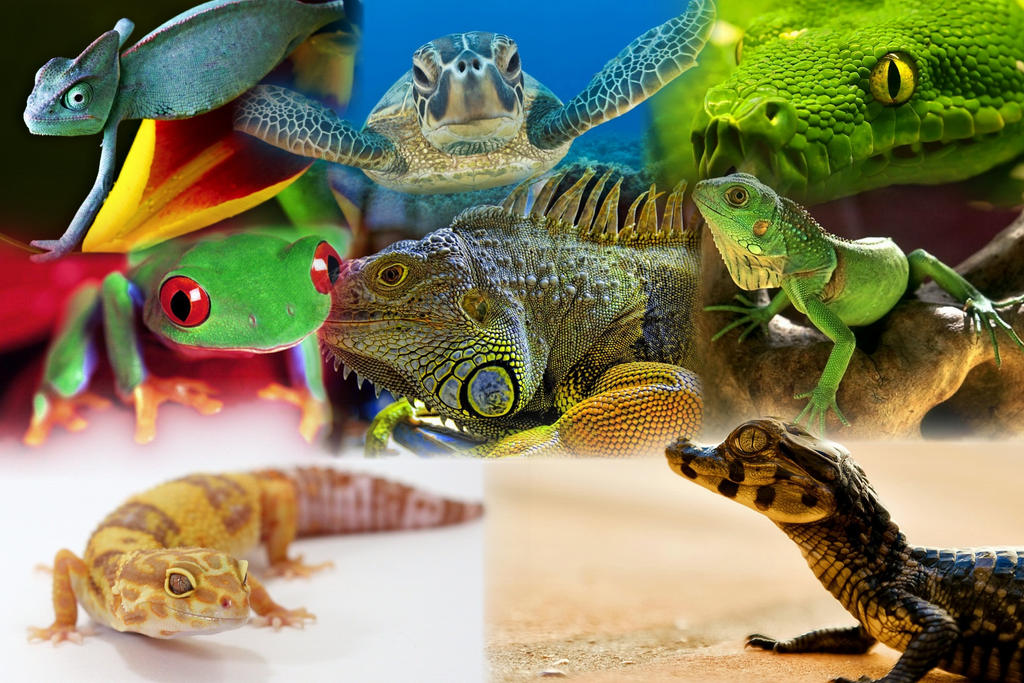
Canada is renowned for its vast wilderness, towering forests, sprawling tundras, and diverse wildlife. While many associate this northern country with bears, moose, and other mammals, Canada is also home to a fascinating, though often overlooked, group of animals: reptiles. These cold-blooded creatures play a vital role in the ecosystems of Canada, contributing to biodiversity and serving as both predators and prey. Although Canada’s cooler climate may not seem like an ideal environment for reptiles, several species have adapted to thrive in the unique habitats spread across the country.
The Climate Challenge: Reptiles in a Cold Country
Reptiles are ectothermic, meaning their body temperature is influenced by the surrounding environment. Because they rely on external heat sources to regulate their body temperature, reptiles are typically more abundant in warmer climates. This makes Canada, with its long winters and cooler average temperatures, an unlikely place for these creatures to flourish. However, certain species of reptiles have adapted to Canada’s unique conditions, surviving in its temperate regions, marshlands, and even southern stretches where warmer climates prevail for part of the year.
The Diversity of Canadian Reptiles
Though Canada does not host the abundance of reptiles seen in tropical or desert regions, it is still home to a variety of species, ranging from snakes and lizards to turtles. These species are primarily concentrated in southern regions where the climate is more favorable for reptilian life. Here’s an overview of some of the most notable reptiles found in Canada.
1. Snakes
Canada is home to 26 species of snakes, each uniquely adapted to its environment. Most of these snakes are non-venomous, posing no threat to humans. However, a few species, like the massasauga rattlesnake, do possess venom and are of conservation concern.
- Eastern Gartersnake (Thamnophis sirtalis)
One of the most widespread and recognizable snakes in Canada, the eastern gartersnake is found in a wide range of habitats, including grasslands, wetlands, and forests. Known for its striking black or brown body with three yellow or greenish stripes running down its length, the gartersnake is often seen basking in the sun or slithering near bodies of water. - Massasauga Rattlesnake (Sistrurus catenatus)
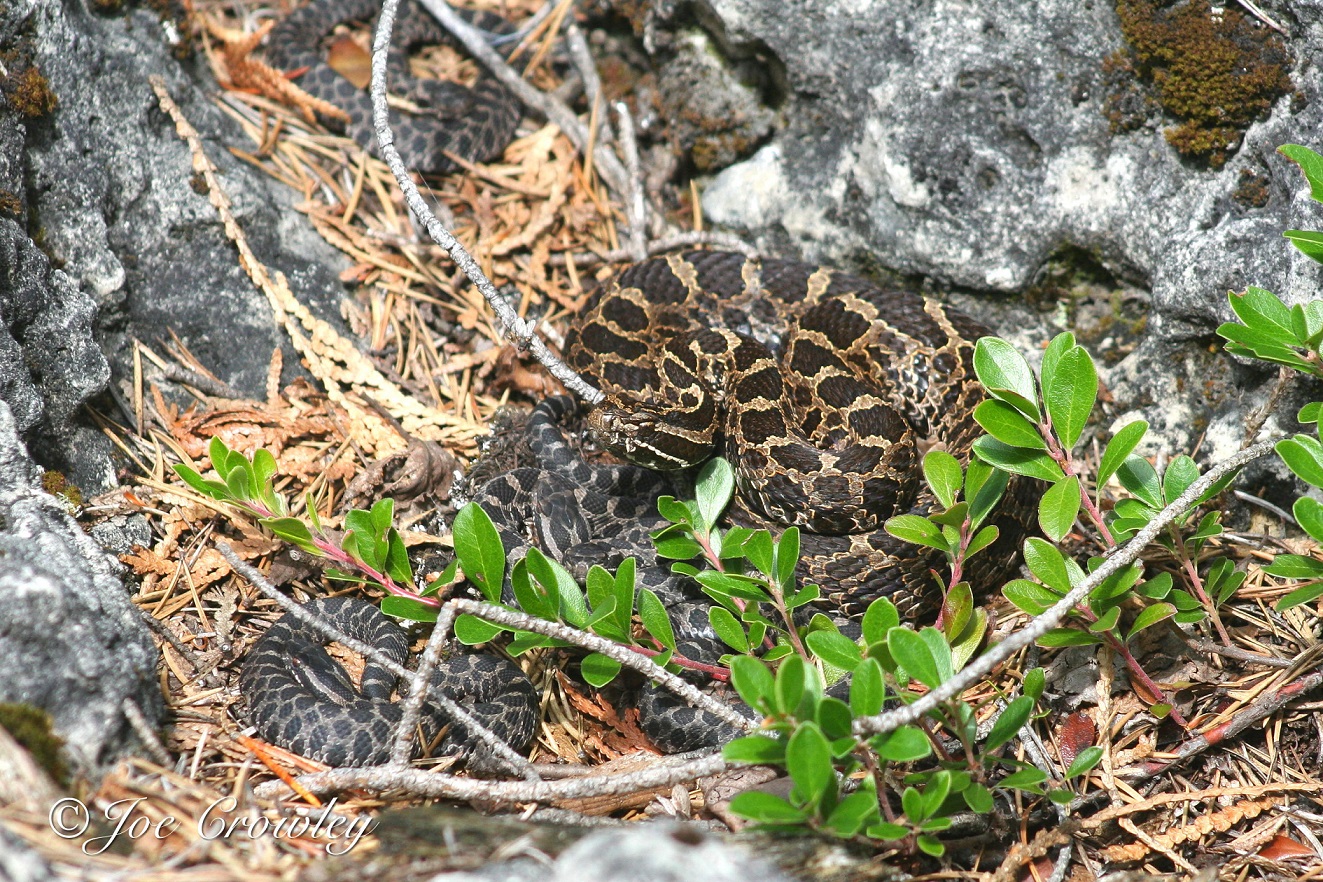
The massasauga is Canada’s only venomous snake, and it is found in southern Ontario. Despite its venom, this rattlesnake is shy and rarely poses a threat to humans. Its preferred habitat includes wetlands, prairies, and rocky outcrops. Unfortunately, habitat loss has made the massasauga a species of concern, and conservation efforts are ongoing to protect this unique reptile. - Western Hognose Snake (Heterodon nasicus)
Found primarily in the prairies of Saskatchewan, Alberta, and Manitoba, the western hognose snake is known for its distinctive upturned snout. This harmless snake is a master of mimicry, flattening its neck like a cobra or playing dead when threatened. It primarily feeds on small mammals, amphibians, and birds.
2. Lizards
While Canada is not typically associated with lizards, a few species have found their niche in the country’s warmer southern regions.

- Northern Alligator Lizard (Elgaria coerulea)
The northern alligator lizard is one of only a few lizard species in Canada, primarily found in the southwestern part of British Columbia. It has a stocky body, short legs, and rough, alligator-like skin, hence its name. This lizard prefers cool, moist environments, such as forests and woodlands, and is often found hiding under logs or rocks. - Prairie Skink (Plestiodon septentrionalis)
The prairie skink is one of Canada’s rarest reptiles, found primarily in Manitoba’s sandy prairies. With its slender body and smooth, shiny scales, the prairie skink is an expert burrower, often retreating underground during cold weather. It feeds on insects and small invertebrates and is highly elusive, making sightings a rare treat.
3. Turtles
Canada’s freshwater habitats are home to several turtle species, many of which are found in wetlands, rivers, and lakes.

- Painted Turtle (Chrysemys picta)
One of the most commonly seen turtles in Canada, the painted turtle is named for the bright red and yellow markings on its shell and limbs. Found in slow-moving freshwater bodies across southern Canada, the painted turtle is often seen basking on logs or rocks in the sun. These turtles are omnivorous, feeding on aquatic vegetation, insects, and small fish. - Snapping Turtle (Chelydra serpentina)
The snapping turtle is Canada’s largest freshwater turtle, easily recognizable by its powerful beak-like jaw and long tail. Found in ponds, lakes, and slow-moving rivers, the snapping turtle is a voracious omnivore, feeding on fish, amphibians, plants, and even small mammals. Although snapping turtles can appear intimidating, they are typically docile in the water but may become aggressive when threatened on land. - Blanding’s Turtle (Emydoidea blandingii)
A medium-sized freshwater turtle with a distinctive yellow throat, Blanding’s turtle is a threatened species in Canada, primarily found in Ontario and Nova Scotia. This semi-aquatic turtle prefers marshy wetlands and feeds on a diet of insects, crustaceans, and plants. Its long lifespan, slow reproductive rate, and habitat destruction have made it vulnerable, and it is now the focus of various conservation efforts.
Adaptations for Survival
Reptiles in Canada have developed several adaptations to survive in a colder climate. One of the most critical adaptations is hibernation, also known as brumation in reptiles. During the winter months, when temperatures drop too low for reptiles to maintain their body heat, they enter a state of dormancy. Snakes, for example, may gather in large numbers in underground hibernacula, where the temperature remains stable throughout the winter.
Some species of turtles, such as the painted turtle, can even survive underwater for months at a time, slowing their metabolism and absorbing oxygen through specialized tissues. This remarkable adaptation allows them to endure long winters in frozen ponds and lakes.
Conservation and Threats
While Canada’s reptile populations are generally stable, several species face significant threats due to habitat loss, pollution, and climate change. Urbanization and agriculture have led to the destruction of wetlands, forests, and prairies—key habitats for many reptiles. Roads and highways also pose a threat, as reptiles often attempt to cross them to reach breeding or feeding grounds, leading to high mortality rates.
Climate change is another looming threat to reptiles in Canada. Warmer temperatures can disrupt hibernation cycles, and rising water levels can destroy nesting sites for turtles. As Canada’s climate continues to shift, some species may struggle to adapt, leading to declines in populations.
To address these threats, conservation programs across the country are working to protect reptile habitats and educate the public about the importance of reptiles in maintaining ecological balance. Protected areas, wildlife corridors, and wetland restoration efforts are all part of the strategy to preserve Canada’s reptile populations.
Reptiles may not be the first animals that come to mind when thinking of Canada, but they are an essential part of the country’s biodiversity. From the elusive prairie skink to the majestic snapping turtle, these creatures have adapted to survive in some of the harshest environments on Earth. However, with growing threats from human activity and climate change, it is more important than ever to protect the habitats and ecosystems that sustain these remarkable animals. By doing so, Canada can ensure that its unique reptile species continue to thrive for generations to come.






 The Blue and White