

Canada’s winters are legendary—harsh, frigid, and, for many animals, incredibly challenging. Yet, Canadian wildlife has developed some pretty impressive tricks to endure these freezing months. From hibernation to migration, and even “antifreeze” blood, animals across Canada are masters of winter survival. Here’s a look at how some of them make it through the coldest days of the year.

Bears: Hibernation Experts
When we think of animals in winter, hibernation usually comes to mind. Canadian black bears and grizzly bears have perfected this survival strategy, tucking themselves away for months in dens as temperatures drop. But hibernation for bears isn’t just a long nap. Their heart rate slows, their body temperature drops, and they rely entirely on fat reserves they built up in summer and fall. What’s fascinating is that even in this near-sleep state, bears can wake up quickly if they sense danger, making them lighter sleepers than many might think. And when they emerge in spring, they’re ready to feast again.
Arctic Foxes: Fashion Meets Function
Arctic foxes are the ultimate winter fashionistas. Their coats are a striking white in winter, blending perfectly into snowy surroundings, which helps them stay hidden from both predators and prey. But it’s not just about camouflage—their dense, multi-layered fur also traps air close to their bodies, providing insulation that keeps them warm even when temperatures drop to -50°C. They’re also incredibly resourceful. If food gets scarce, they’ll follow polar bears, scavenging on leftovers from the bears’ hunts. When spring arrives, these foxes shed their white coats for a brown or grey one, matching the tundra’s rocky summer landscape.
Wood Frogs: Nature’s “Popsicles”
One of the most jaw-dropping winter survival techniques belongs to a tiny creature: the wood frog. Found in forests across Canada, these frogs have a special superpower—they can freeze solid in winter. As temperatures drop, wood frogs’ bodies produce glucose, which acts like antifreeze, protecting their cells. They stop breathing, their heart stops beating, and they essentially become little frog “popsicles.” When the temperatures warm up in spring, they thaw out, and it’s as if nothing happened. They just hop back into their usual routines, unfazed by their months as frozen frogsicles.
Beavers: Winter Lodges
Beavers don’t hibernate, and you won’t find them sitting out in the open, braving the elements either. Instead, they rely on their impressive lodges for warmth. These sturdy structures, built from branches and mud, are insulated to keep the cold out and even have underwater entrances. Beavers also prepare for winter by creating “pantries” in their ponds—stockpiles of sticks and logs underwater. When food gets scarce, they simply dive down, grab a branch, and snack on the nutritious bark. This winter prep helps them avoid venturing out into the bitter cold, where they’d be vulnerable to predators.
Canada Geese: Snowbird Specialists
Canada geese are famous for their migration habits, travelling thousands of kilometres south to find warmer climates. But not every goose flies all the way to the southern U.S. or Mexico. Some Canada geese, especially those in urban areas, have adapted to stick around in cities where there’s open water and a steady food supply. These geese are experts at finding small patches of warmth and sustenance to make it through the season, showing just how adaptable they are.
Snowshoe Hares: The Ultimate Snow Racers
With their large, fluffy feet that act like snowshoes, snowshoe hares can easily move across deep snow without sinking. Their wide feet help them stay on top of the snow, giving them an edge over predators like foxes and lynxes who might struggle in the drifts. Snowshoe hares also switch up their appearance for winter, growing a white coat that camouflages them perfectly in the snow. This change helps them blend into their surroundings and stay one step ahead of their predators.
Red Squirrels: The Tiny Hoarders
Red squirrels are a classic example of “plan ahead” animals. They don’t hibernate, so they spend much of the warmer months gathering food and storing it in various caches around their territory. From nuts to seeds, these tiny hoarders stash enough supplies to see them through the lean winter months. If you’re out in the woods in winter, you might see a red squirrel digging through the snow to unearth one of its secret caches. They rely on their impressive memory to remember where they’ve hidden all their supplies.
Caribou: Winter Wanderers
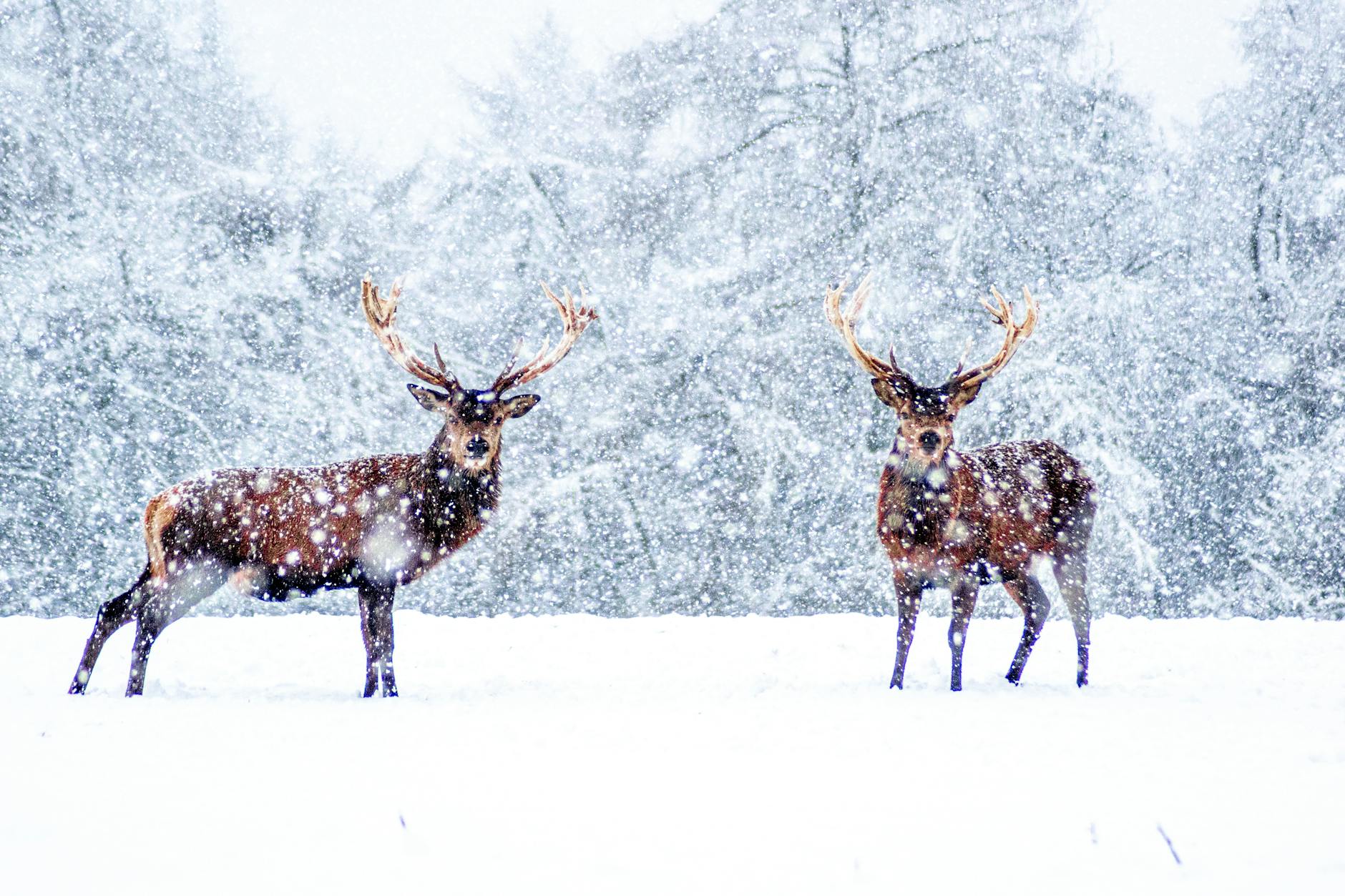
Caribou are built for winter like few other animals. With thick, insulated coats and large, snow-adapted hooves, they trek across vast distances to find food, migrating to areas where lichen—one of their main food sources—is plentiful. Their hooves act almost like shovels, helping them dig through snow to reach the lichen beneath. In a way, they’re nomads, constantly on the move to find resources, even in the harshest conditions.
Canada’s wildlife is a testament to nature’s adaptability and resilience. From freezing frogs to migratory geese, every creature has its own strategy to survive the big chill. It’s not an easy life, but these animals have evolved over thousands of years to handle whatever winter throws at them. So, next time you’re bundled up against the cold, remember—somewhere out there, a beaver is cozy in its lodge, a bear is snoozing in its den, and a tiny wood frog is frozen solid, all waiting for the warmth of spring to come back around.







 The Blue and White
You must be logged in to post a comment.