
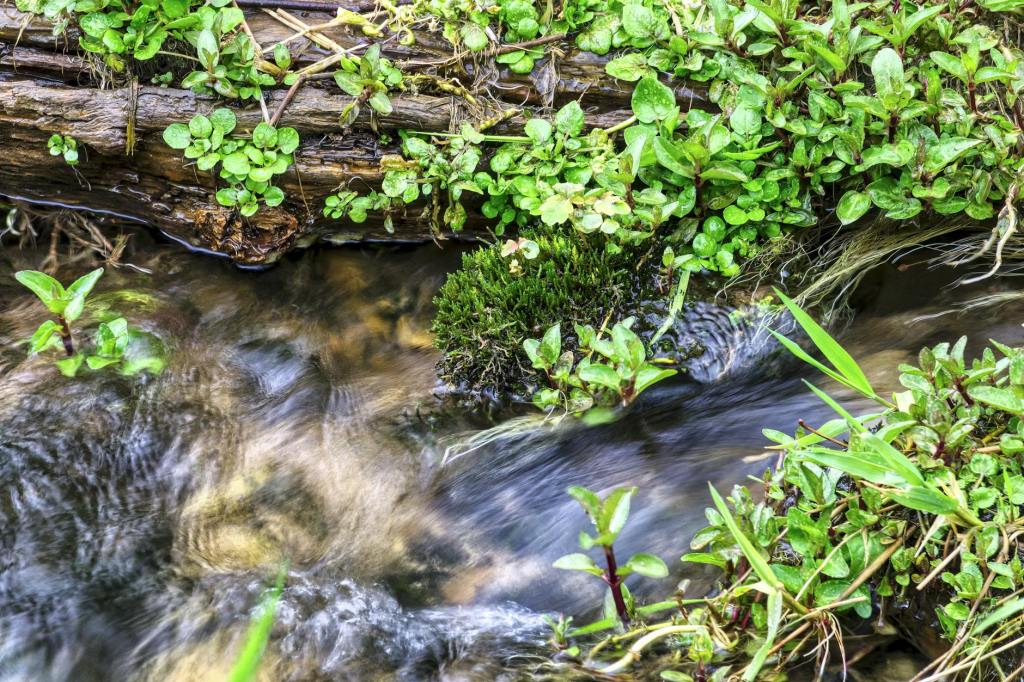
When it comes to building skills in the animal kingdom, Canada’s wildlife has some of the most impressive architects around. From the famous beaver with its lodges and dams to lesser-known builders like birds and insects, these animals are shaping their environments in incredible ways. These creatures don’t just build for themselves; they create entire ecosystems that benefit countless other species. Let’s take a look at Canada’s best animal architects and how their work makes the wilderness a better place.
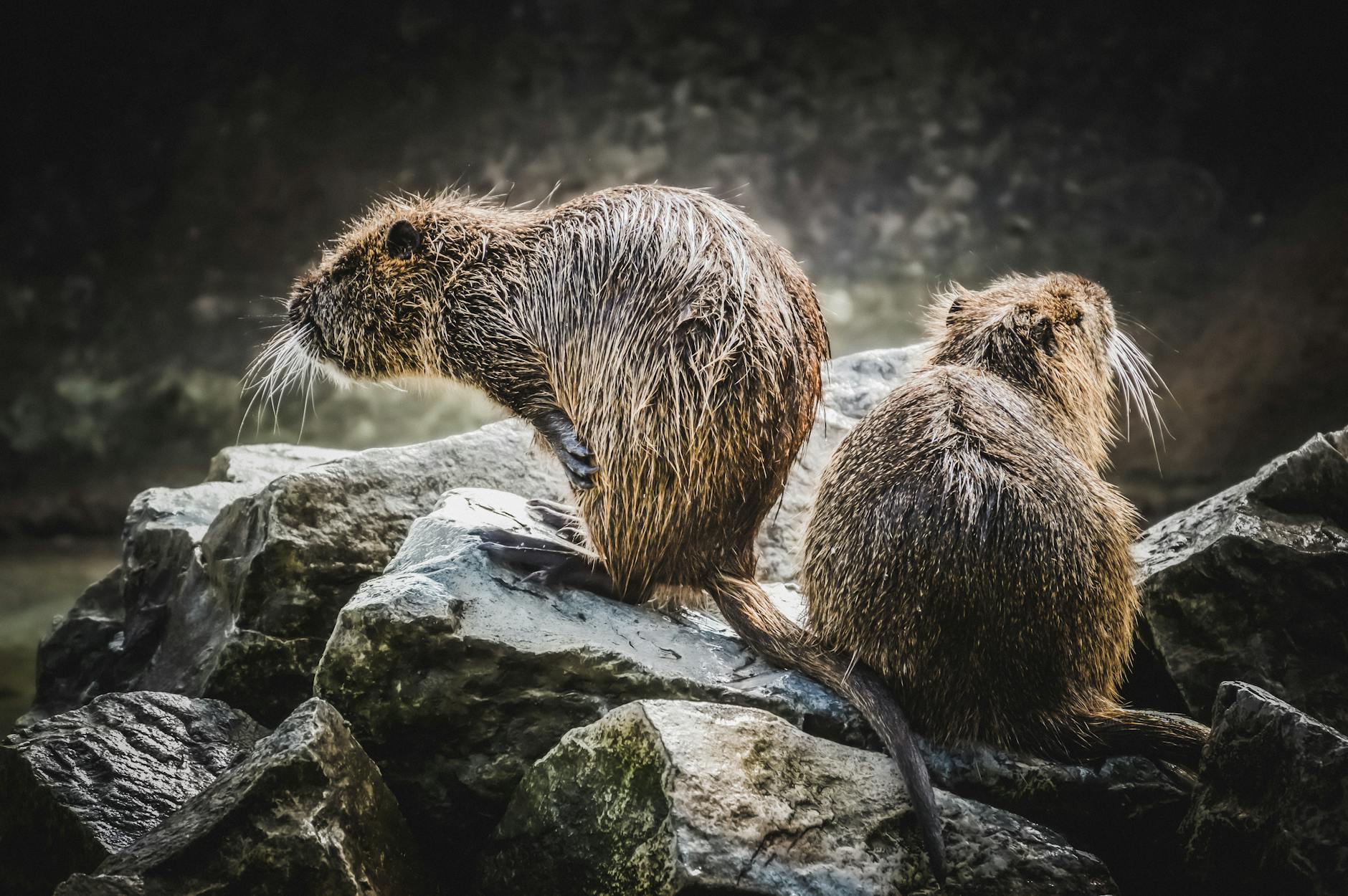
The Beaver: Canada’s Official Master Builder
First up, there’s the beaver. Not only is it Canada’s national animal, but it’s also a construction genius. Beavers are known for their ability to transform landscapes with their dams and lodges. Using just their teeth, they gnaw down trees, drag them to streams, and build intricate dams that block water flow and create ponds. These ponds are like bustling neighbourhoods for wildlife—fish, amphibians, birds, and insects all thrive in these new habitats. Even larger animals like moose and otters are frequent visitors to beaver ponds, where they can find food, water, and shelter.
But it doesn’t stop there. Beaver ponds have benefits beyond providing habitat; they also improve water quality by filtering out sediments and pollutants. Plus, these ponds slow down water flow, reducing the risk of floods downstream. In a way, beavers are like natural engineers, constantly working to make the environment around them healthier and more sustainable.
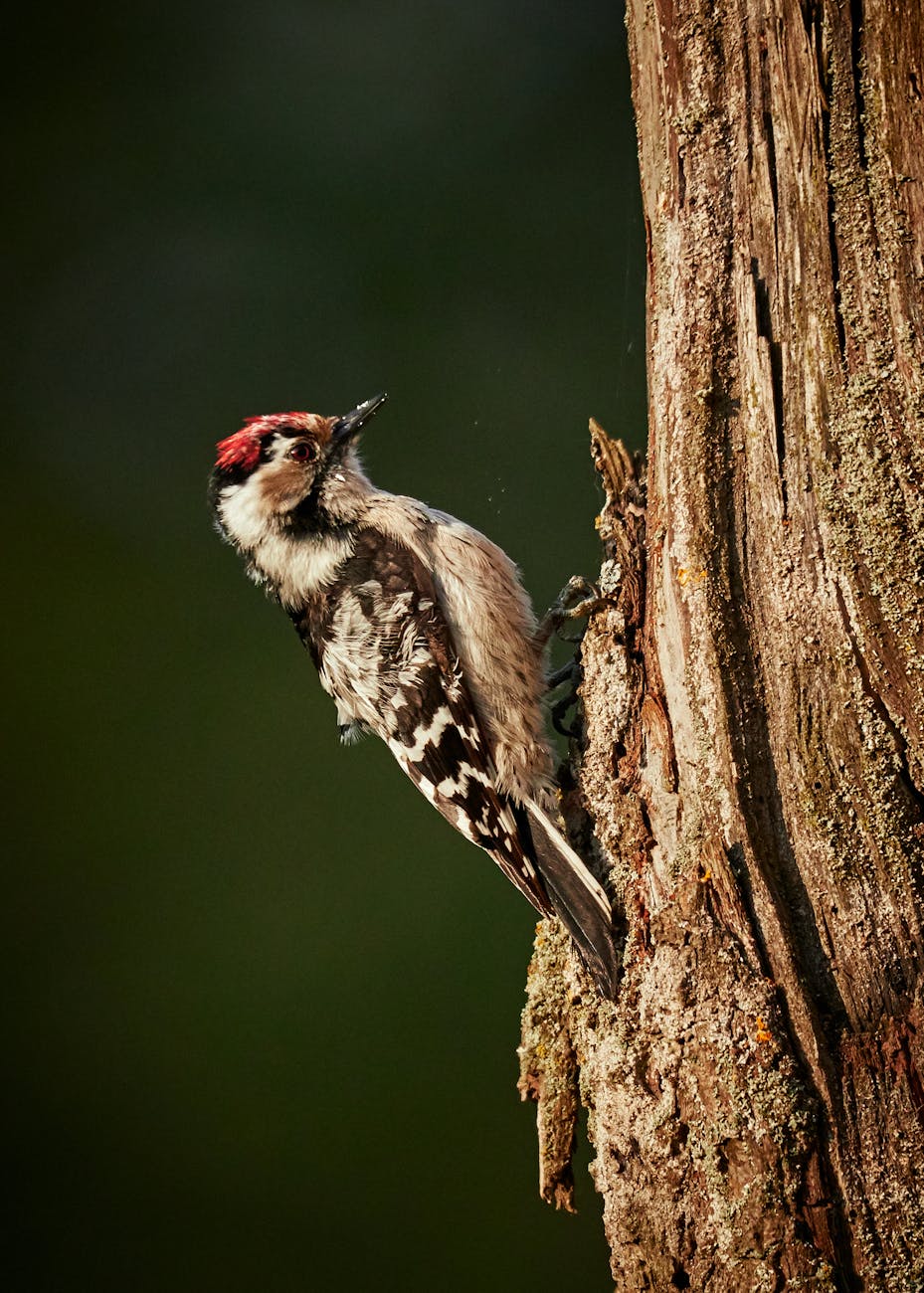
Woodpeckers: The Forest’s Carpentry Crew
If beavers are the dam builders, woodpeckers are the carpenters. Canada’s forests are full of different species of woodpeckers, each with a powerful beak perfect for chiselling out holes in trees. Woodpeckers aren’t just banging away at trees for fun; they’re creating nests and feeding sites that will later become prime real estate for other animals. When a woodpecker abandons a nest cavity, all kinds of forest animals move in—owls, squirrels, bats, and even some ducks make their homes in these ready-made tree hollows.
Woodpeckers play a huge role in forest health, too. As they drill for insects, they control pest populations, helping keep trees healthy. In ecosystems where woodpeckers are missing, you’ll often see a decline in other cavity-nesting animals. So, next time you hear that rapid drumming in the woods, remember: it’s not just noise; it’s essential housing construction for forest wildlife.
Red Squirrels: The Seed-Saving Schemers
Red squirrels might be small, but they’re masters of storage. These little guys spend their days gathering seeds, nuts, and cones, creating hidden caches to help them survive the harsh Canadian winters. What’s fascinating is that not all their stashes get used—sometimes they forget about them or lose track. And this “carelessness” actually plays a big role in forest regeneration. Leftover seeds and nuts eventually germinate and grow into new trees, helping forests expand and thrive.
Red squirrels aren’t as flashy as beavers or woodpeckers, but they play an essential role in the ecosystem. By collecting and hiding seeds, they act as tiny foresters, spreading plant life across the land. Without them, many of Canada’s forested areas would struggle to regrow naturally.
Ants: The Underground Engineers
Ants are probably the last animal you’d think of as architects, but these little insects are constantly working to improve the land they live on. Ant colonies dig complex tunnel systems that can go deep into the ground, creating underground cities where the whole colony can live and work together. These tunnels do more than just provide a home for ants—they aerate the soil, allowing water and nutrients to reach plant roots. This improves soil health and boosts plant growth, which benefits the entire ecosystem above ground.
In Canadian forests and grasslands, ants are often overlooked, but their contribution to soil health is significant. They’re like nature’s landscapers, working behind the scenes to keep the soil rich and ready for new growth.
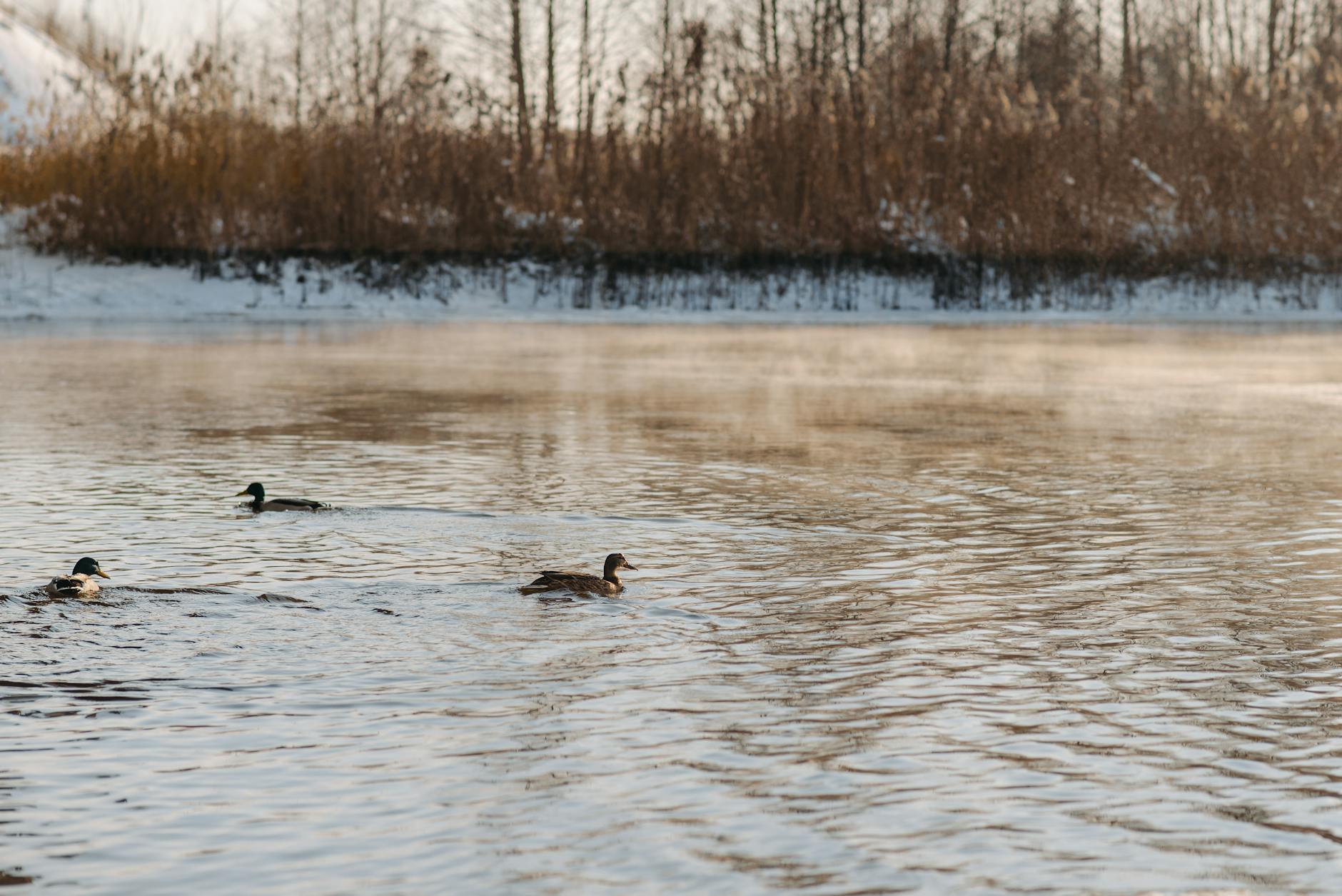
Loons: Lakeside Nest Designers
Loons are known for their haunting calls, but did you know they’re also picky about their nesting spots? Loons build their nests right at the water’s edge, crafting little platforms out of reeds and grasses. They’re incredibly selective, finding locations that provide both security and easy access to the water. This careful nest placement helps protect their eggs from predators and keeps their young close to the lake, where they’re safe.
Loons might not alter the landscape on the scale of beavers, but they do play a role in maintaining healthy lakeshores. By choosing undisturbed spots for their nests, they encourage plant growth around the water’s edge, which helps prevent erosion and keeps lake ecosystems balanced.
So next time you’re out in the wilds of Canada, keep an eye out for these animal architects. From beavers reshaping waterways to squirrels accidentally planting future forests, these creatures are quietly building a better environment. Their work isn’t just impressive; it’s essential, making Canadian landscapes richer and more diverse for all who call it home.






 The Blue and White
You must be logged in to post a comment.